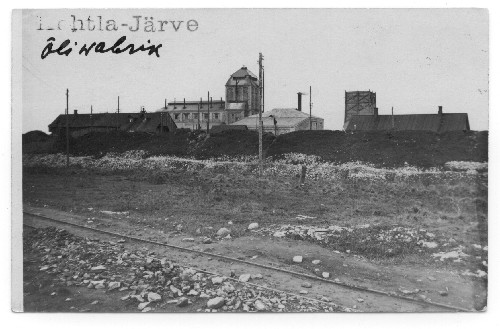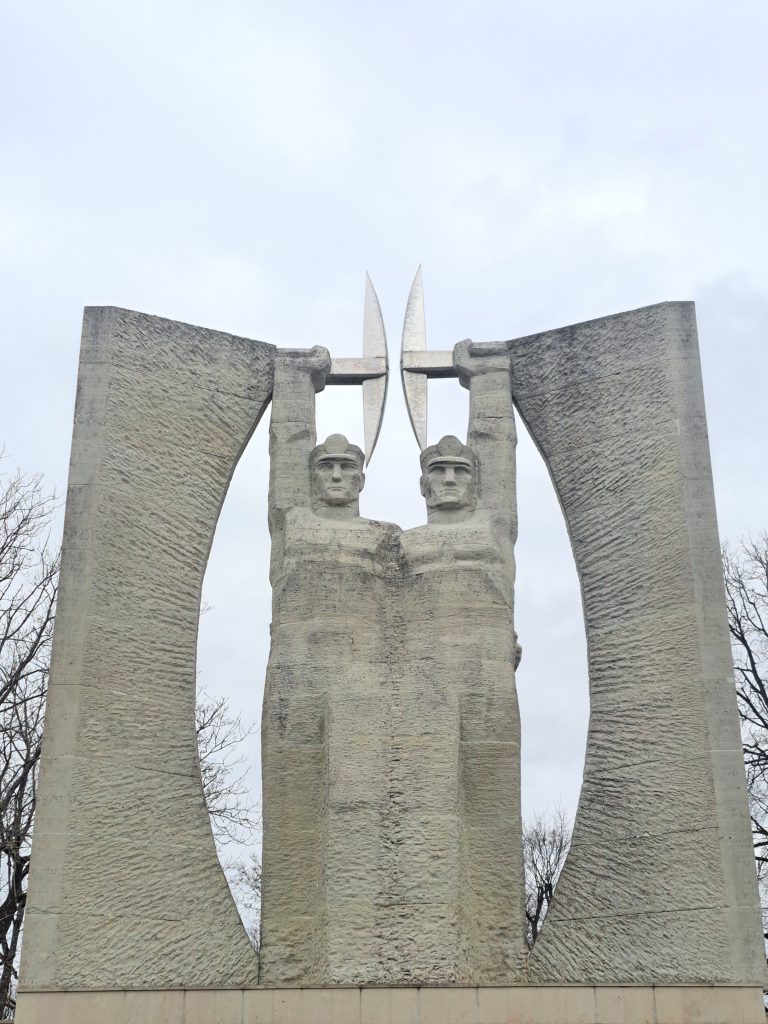
This residency took place in Kohtla-Järve, a small industrial town in Ida-Viru County, Estonia. Kohtla-Järve is one of the main centres of oil shale extraction and processing in Estonia. For decades, this industry has shaped the region’s economy, infrastructure, and landscape. At the same time, it has left a heavy environmental footprint, making the area one of the most polluted regions in the country.
Oil shale, locally called kukersite, is Estonia’s most important mineral resource and has been the country’s main source of electricity since 1924. The industry was established during the First Republic of Estonia and quickly became central to the country’s energy system. Oil shale processing provided heat and electricity to Estonian households and supplied household gas to cities such as Tallinn and Leningrad, as well as other towns in Northern Estonia.
Over the decades, the industrial production of Kohtla-Järve expanded beyond energy. A wide range of products were manufactured here, including shale oil, fine chemicals, epoxy resins, nitrogen fertilisers, bitumen to even components used in hair dyes. Today, the landscape of the town bears the marks of its industrial history, where economic activity, environmental change, and everyday life remain closely connected.
The residency focused on the landscapes of Ida-Viru County and the lasting effects of oil shale extraction on the environment and local communities.
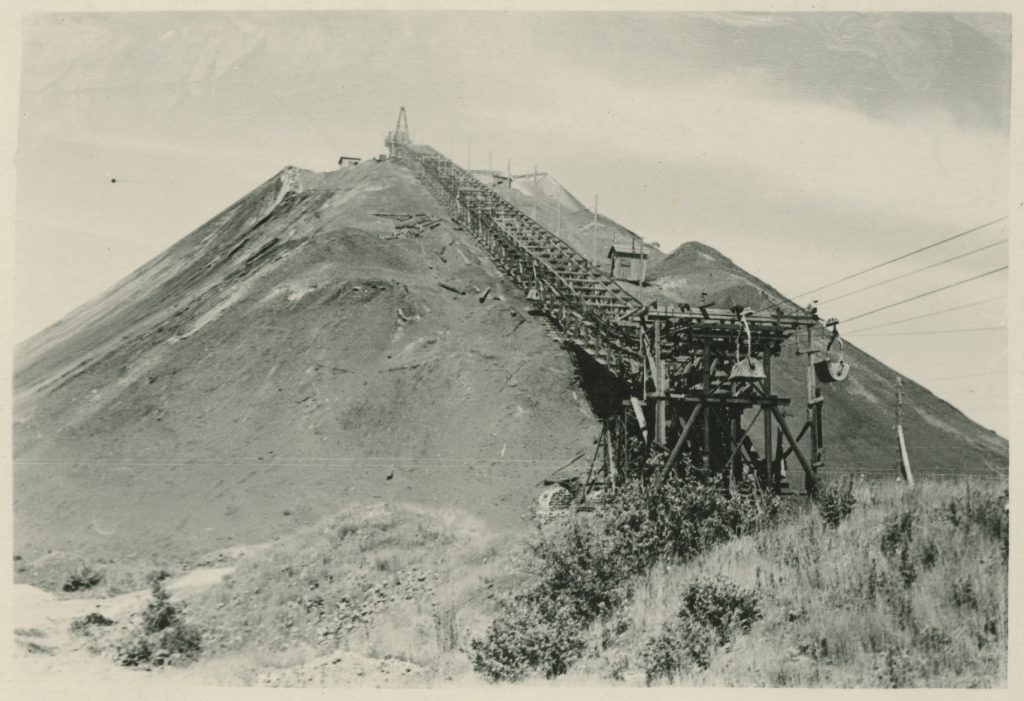
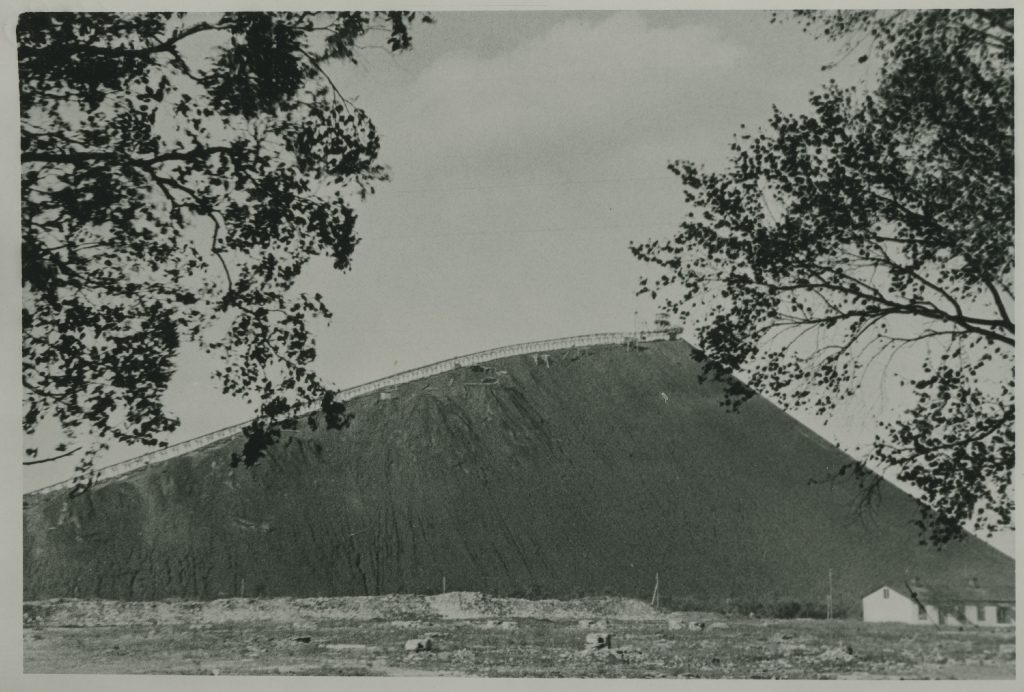
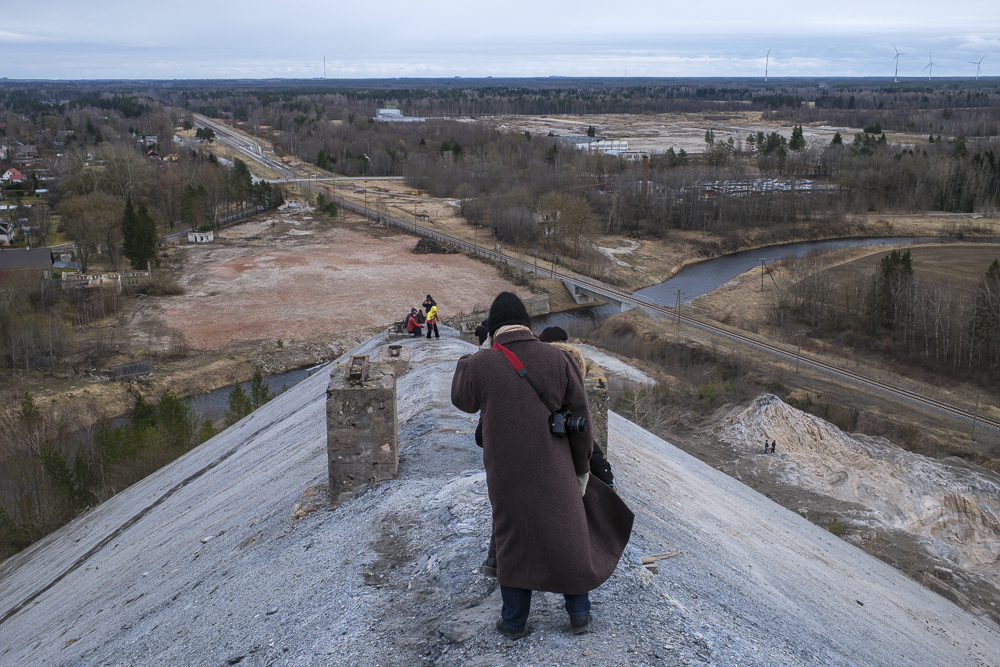
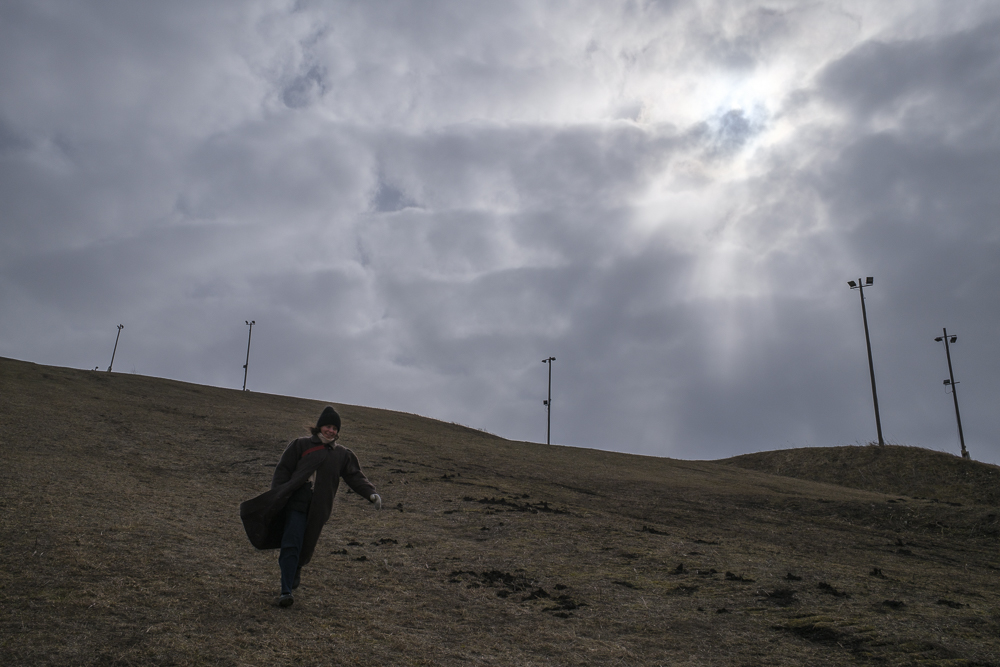
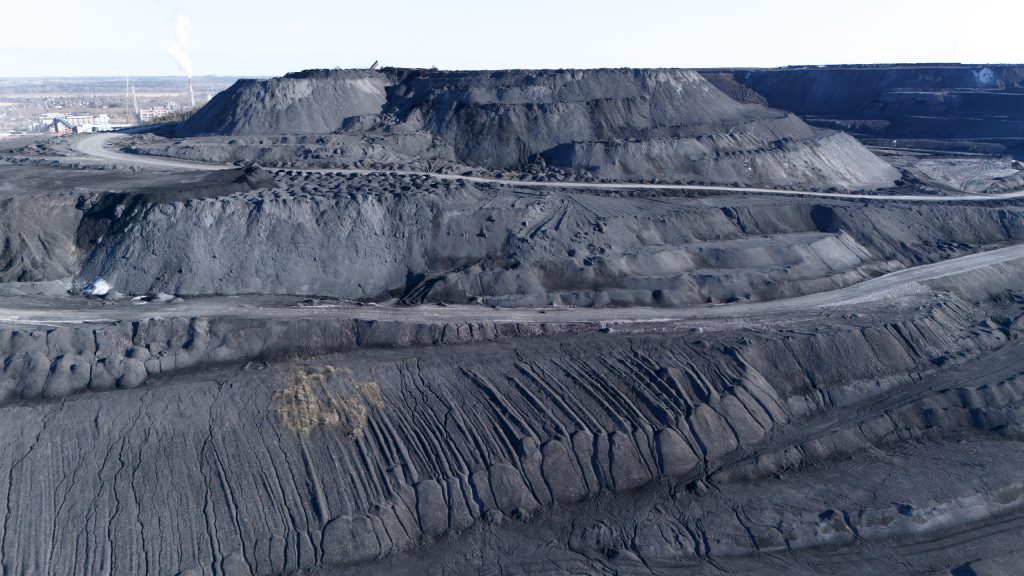
The residency focused on the landscapes of Ida-Viru County and how decades of oil shale extraction have shaped the region’s environment and the communities living there. Participants explored the long-term ecological effects of mining and processing, as well as the social realities of areas situated close to industrial sites. Attention was given to the physical traces of extraction — including mines, processing facilities, ash mountains, and semi-coke landscapes — and to the ways these environments might be understood today, both historically and in relation to possible futures.
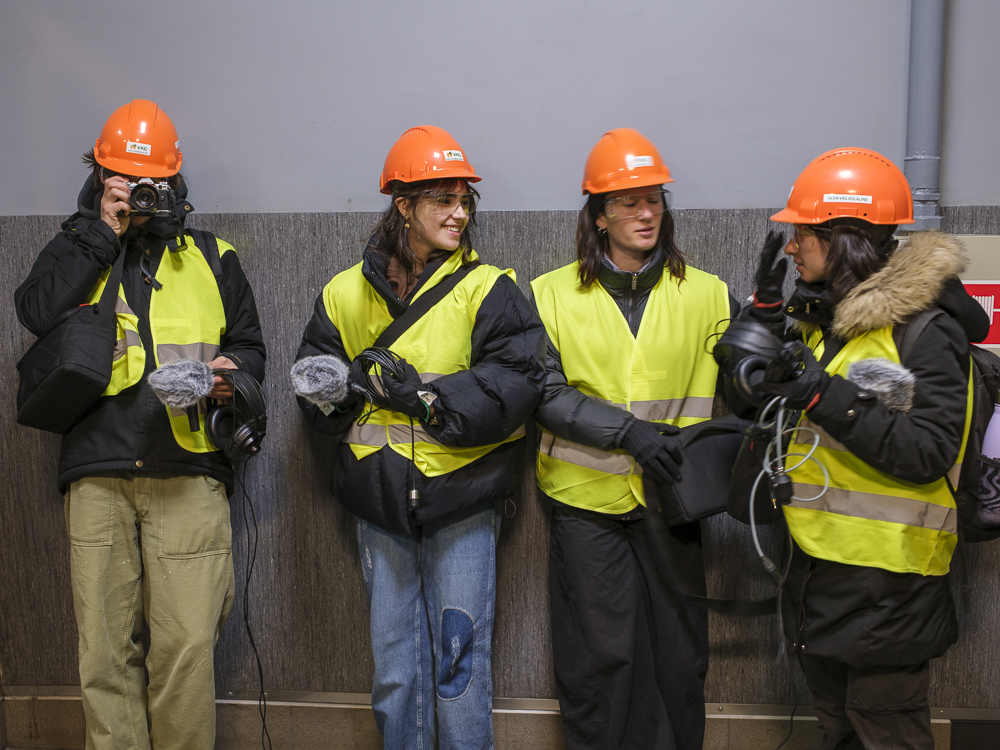
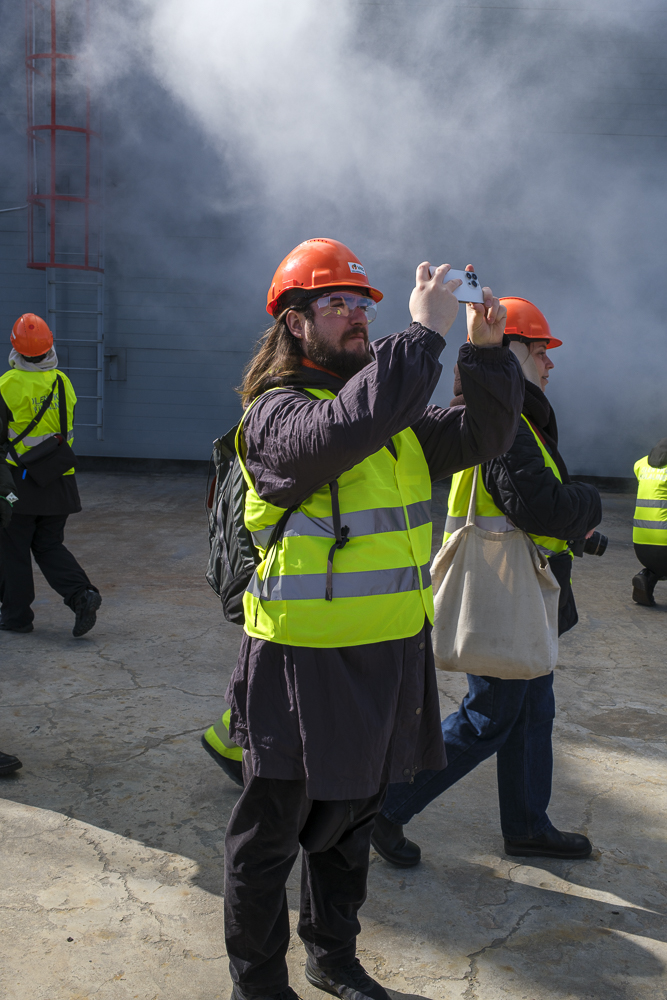
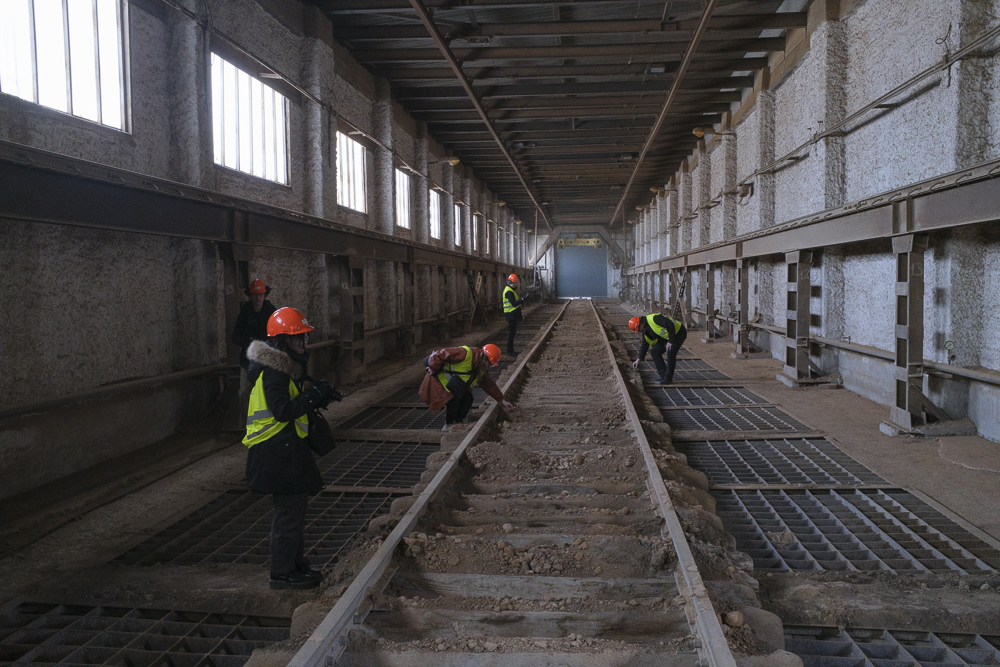
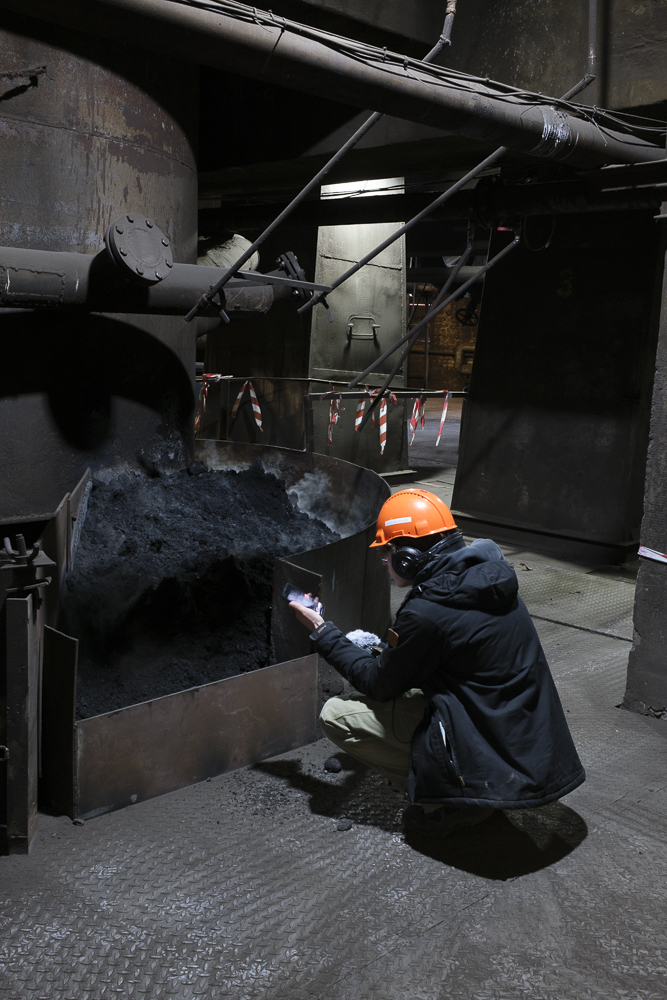
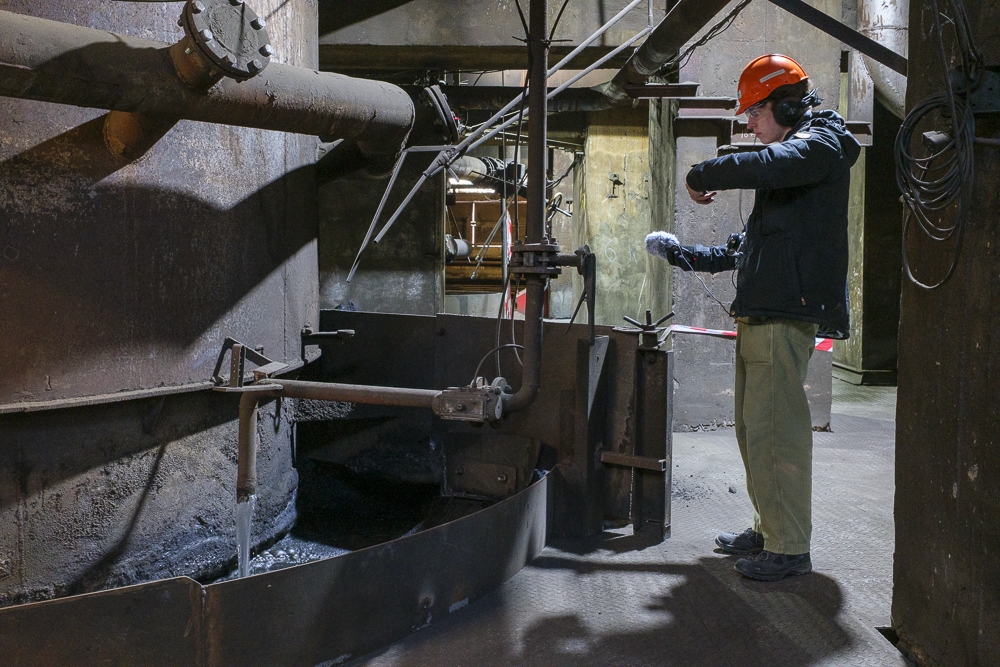
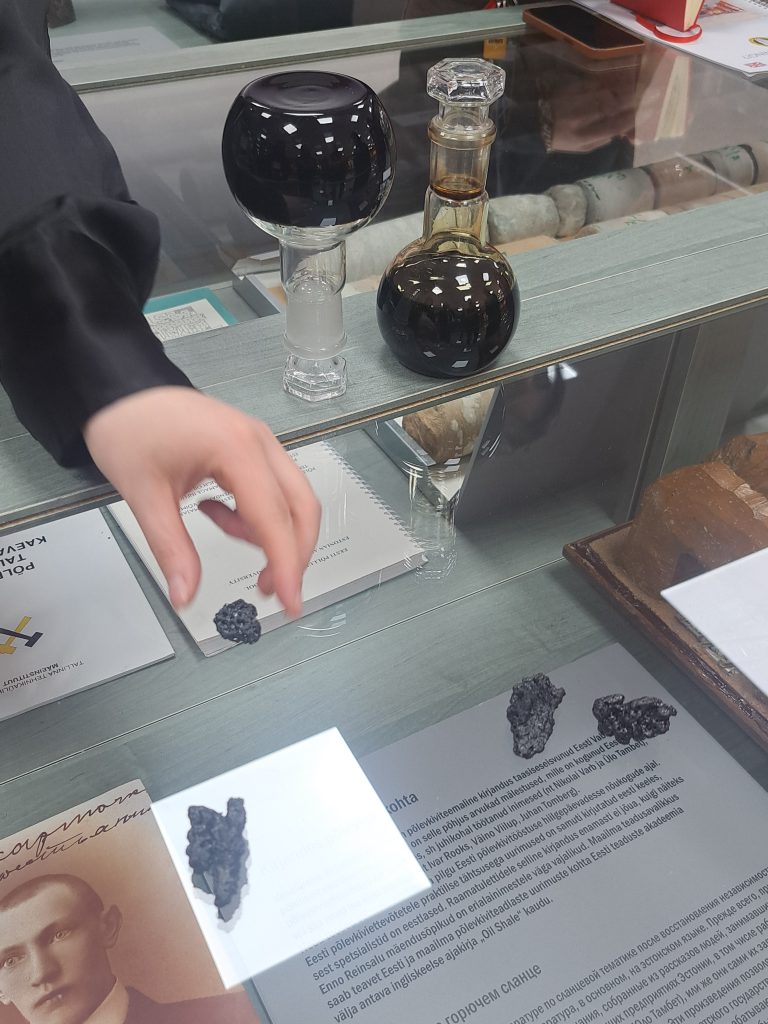
The programme included visits to active oil shale processing facilities and mining sites operated by Viru Chemistry Group, offering insight into current industrial practices, their environmental impact and future visions. Participants also visited the former and on current day abandoned Nitrofert compost factory site, as well as local museums such as Kohtla-Nõmme Mining Museum and the Museum of Oil Shale in Kohtla-Järve, where discussions connected industrial history with regional memory and preservation efforts. Fieldwork in the town and surrounding landscapes allowed for direct observation and documentation of the industrial terrain, including the ash mountains formed by production waste, reflecting on their scale, material presence and potential scenarios for transformation.